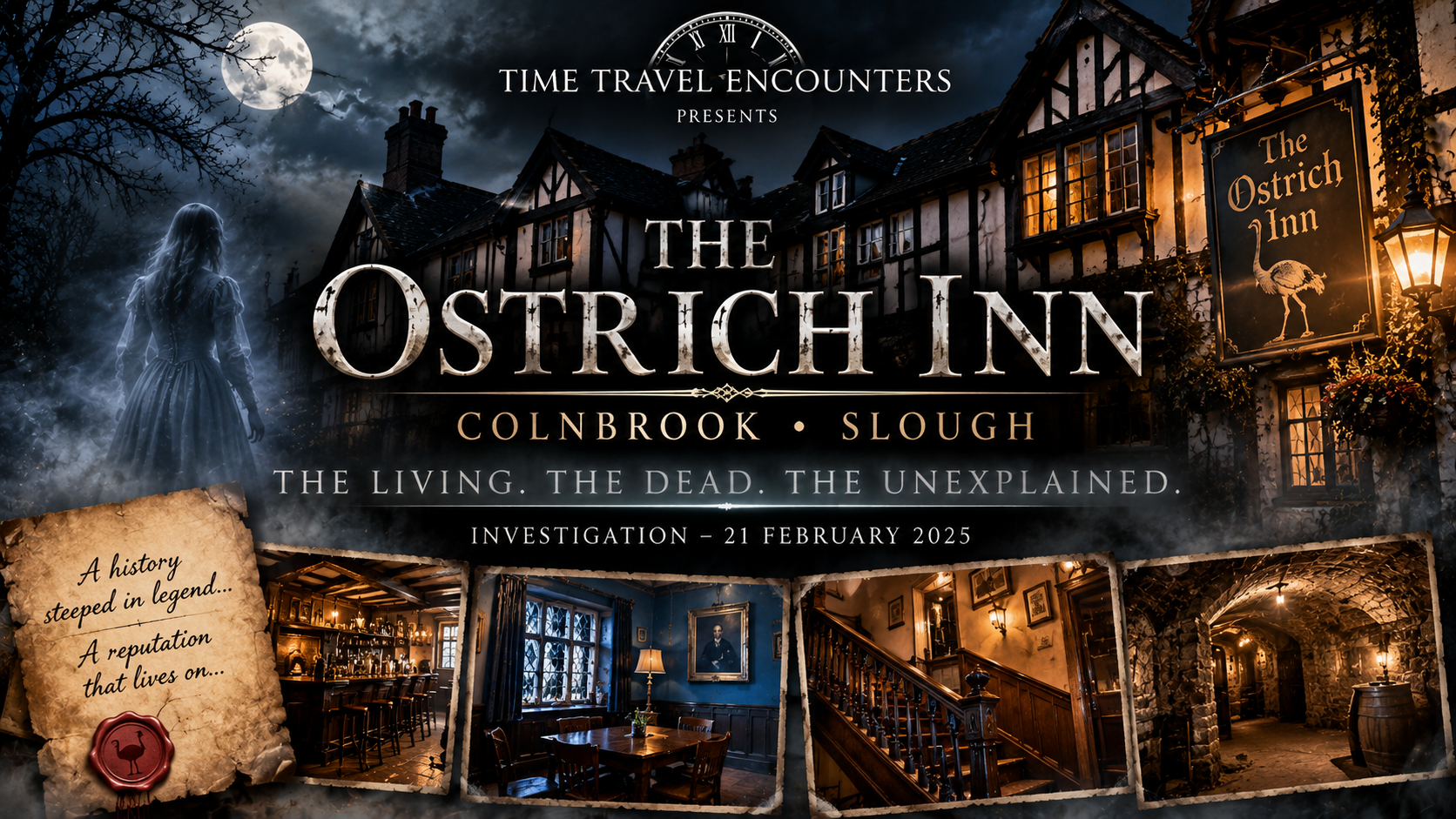
Team investigation
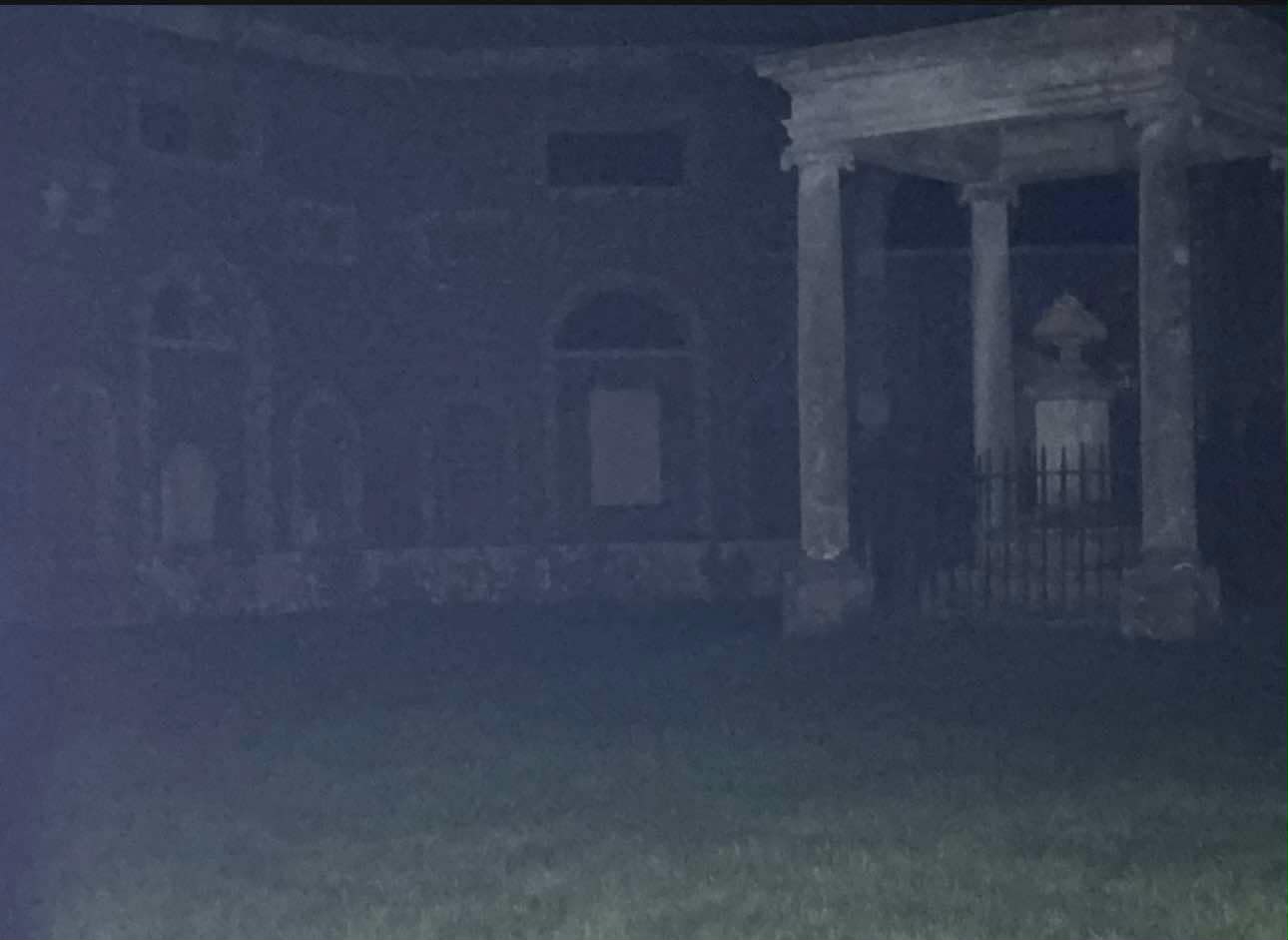
The Face Within the Mausoleum
A pale, face-like formation appears behind the iron railings between the columns on the right of the photograph. Not presented as proof of a spirit.
Read the full analysis
Archive / The Casebook
Everything we have witnessed, recorded and researched: reports from past hunts, the evidence we captured, and the long history of the dead — with uncertainty made clear.
I / Past hunts
II / The evidence room
Recordings may be ambiguous. Every item carries the date, place and context in which it was captured. Playback only starts when you press play.
A pale, face-like formation appears behind the iron railings between the columns on the right of the photograph. Not presented as proof of a spirit.
Read the full analysis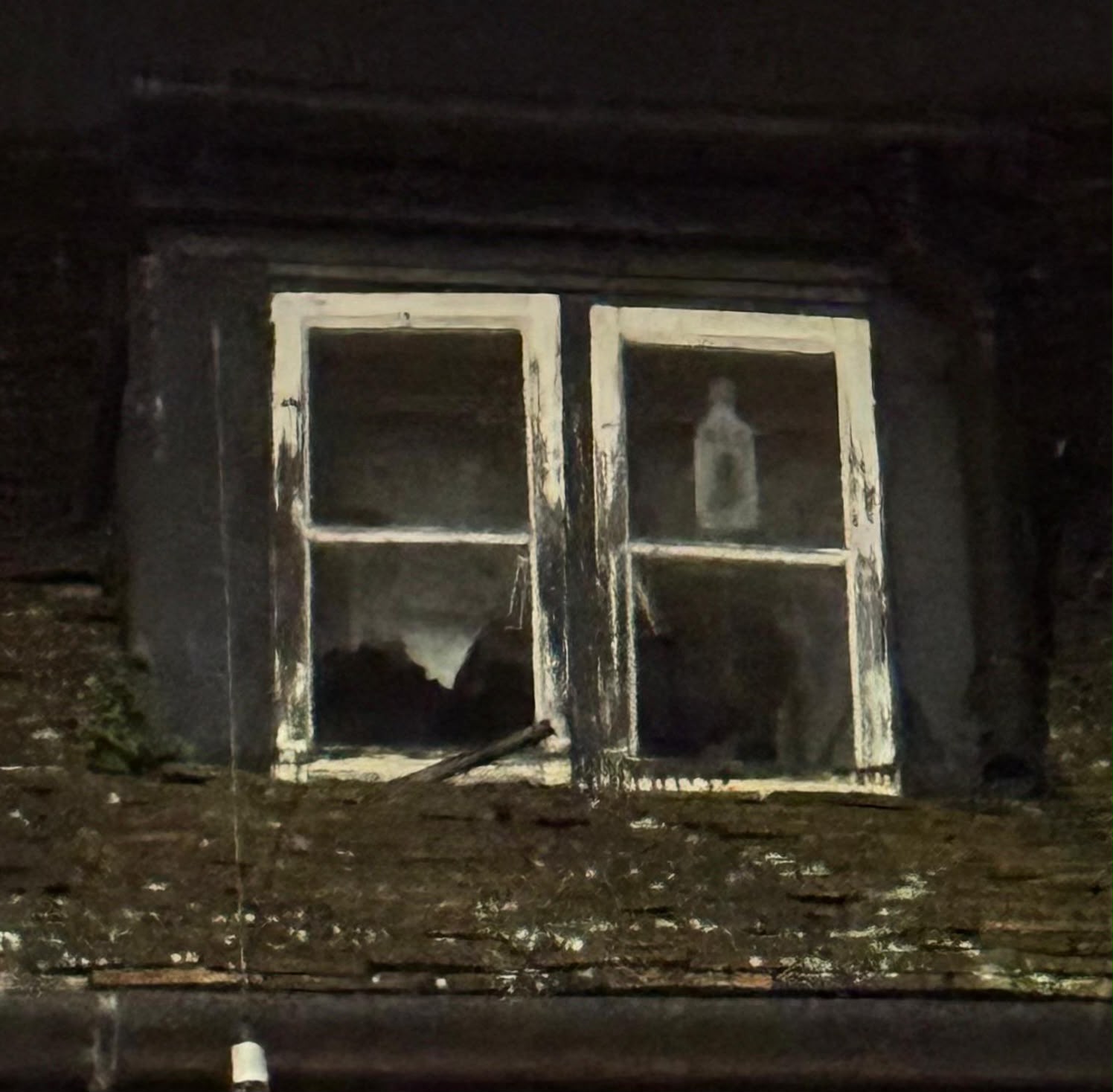
A pale, upright figure resembling a gentleman in a tall hat appears behind an upstairs window. Identity and origin unverified.
Read the full analysis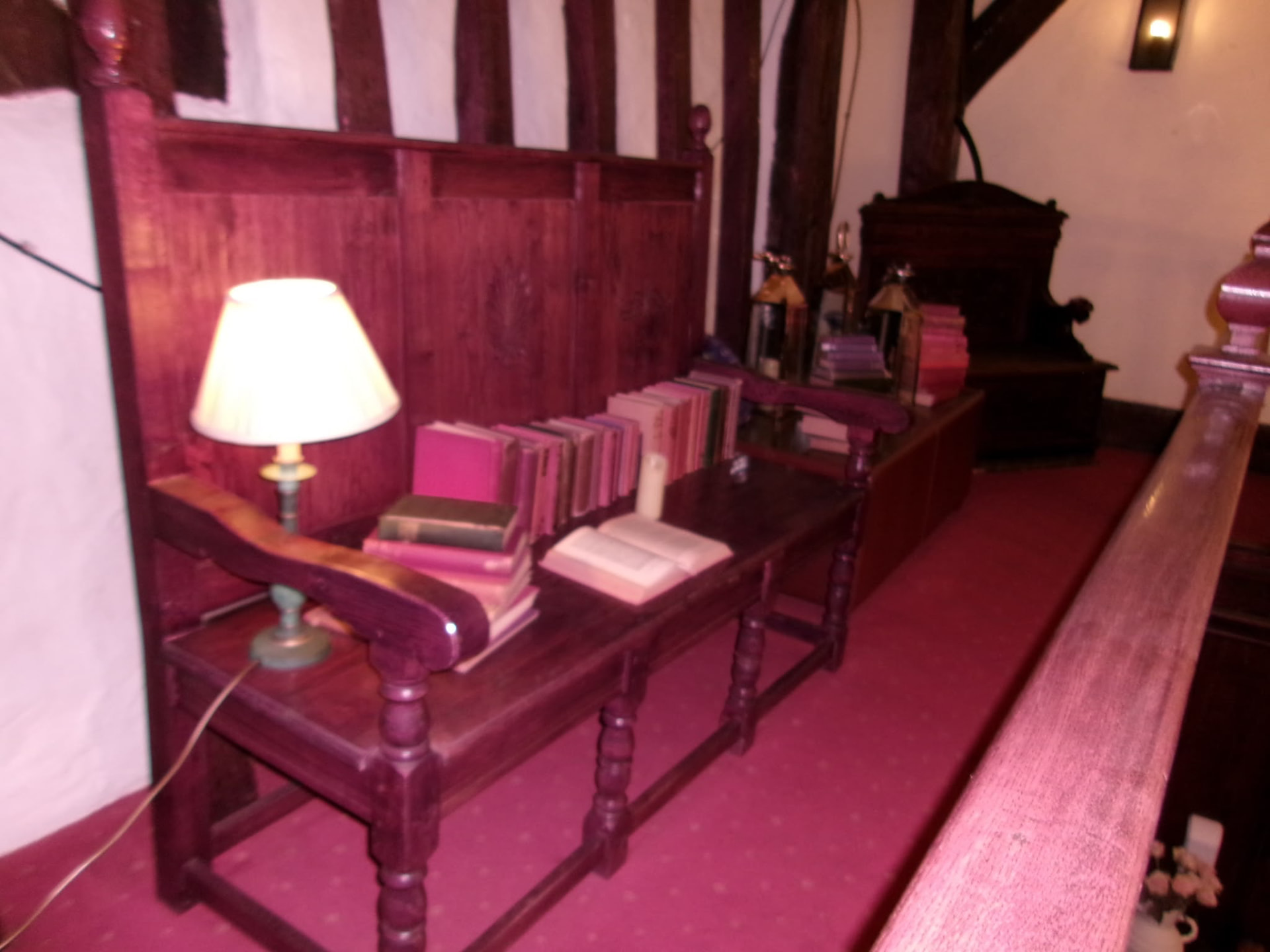
A faint, pale face-like formation appears on the wall of the first-floor landing, where a nun has reportedly been seen. Not presented as proof of a spirit.
Read the full analysis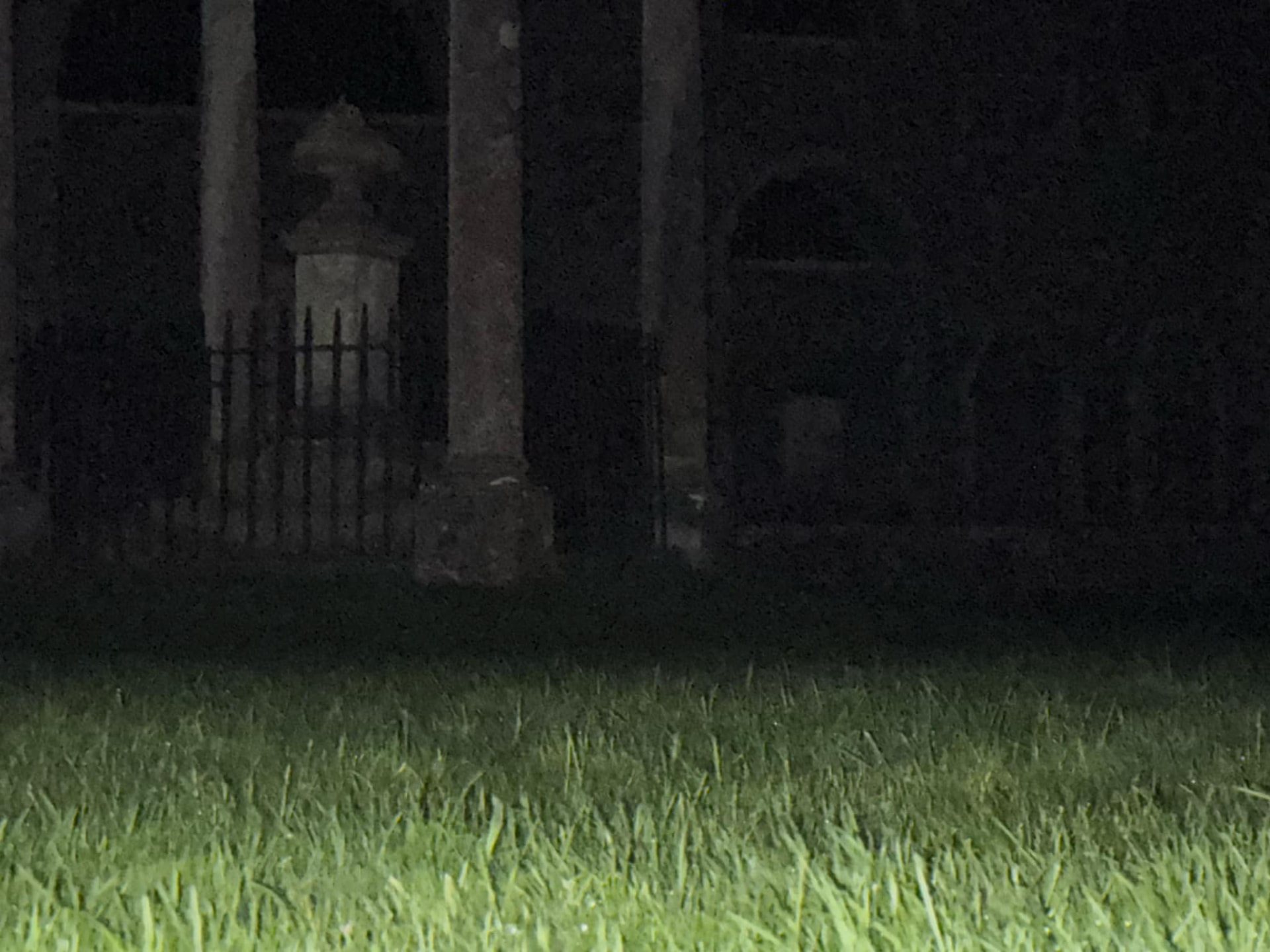
A pale, rounded figure-like formation appears behind the railings beside the monument. Not presented as proof of a spirit.
Read the full analysisIII / The afterlife archive
Historical accounts, remembrance and research into what may remain after death.
Founded 1882
Established in London to investigate experiences described as psychical; its history includes controversy and critical inquiry.
1860s–1930s
Portraits interpreted as showing spirits, often produced through double exposures and other photographic methods.
Historical & contemporary
Personal accounts studied by researchers. Their meaning and causes are debated; they are not definitive proof of life after death.
Historical & contemporary
Accounts collected around the end of life, read with sensitivity to illness, memory and bereavement.
Across cultures
Ways communities honour the dead through memorials, ceremonies and continued remembrance.
Reports from 1929
A widely publicised English haunting case whose accounts and investigation methods have been strongly disputed.
1977–1979
Reports from a London household, with conflicting testimony and acknowledged staged incidents. Interpretations remain disputed.
1959 onwards
The history of voices perceived in recordings; interference, noise and auditory pattern recognition remain important alternatives.
1584
Reginald Scot's sceptical work arguing against witch persecution; considered in its historical context.
1612
Two Lancashire families were accused, tried and hanged in one of England's most notorious witch trials.
1848
Rapping sounds in a New York farmhouse began a worldwide movement devoted to contacting the dead.
1944
A Scottish medium became one of the last people convicted under Britain's 1735 Witchcraft Act.
Folklore & reported accounts
Accounts of an experience that seems to repeat without interaction. A folklore category, not a verified explanation.
Modern encounter accounts
Reports of human-shaped silhouettes glimpsed at the edge of vision, alongside known sleep and perceptual experiences.
Oral tradition
Local traditions attached to burial grounds, read as folklore and approached with respect for the dead and the bereaved.
16th–17th centuries onwards
The history of the witch figure: cunning folk, protective customs and the persecution of real people. Historical, not supernatural evidence.
Folklore & reported accounts
Accounts of a presence that appears to respond to people — a folklore classification, not an established explanation.
Reports from 1661 onwards
Reports of knocks and moving objects, assessed alongside ordinary causes, fraud and psychology. The Enfield case is treated separately.
1848 onwards
The history of attempts to speak with the dead — including the documented deception and debate that shaped it.
1850s onwards
A practice associated with spiritualism. Psychological explanations are well established; spirit communication is not verified.