- Classification
- Reported apparition (folklore)
- Typical report
- A silhouette in a doorway or corner
- Related phenomenon
- Sleep paralysis — a recognised sleep experience
- Alternatives
- Low light, reflection, peripheral vision
Folklore
A silhouette at the edge of vision
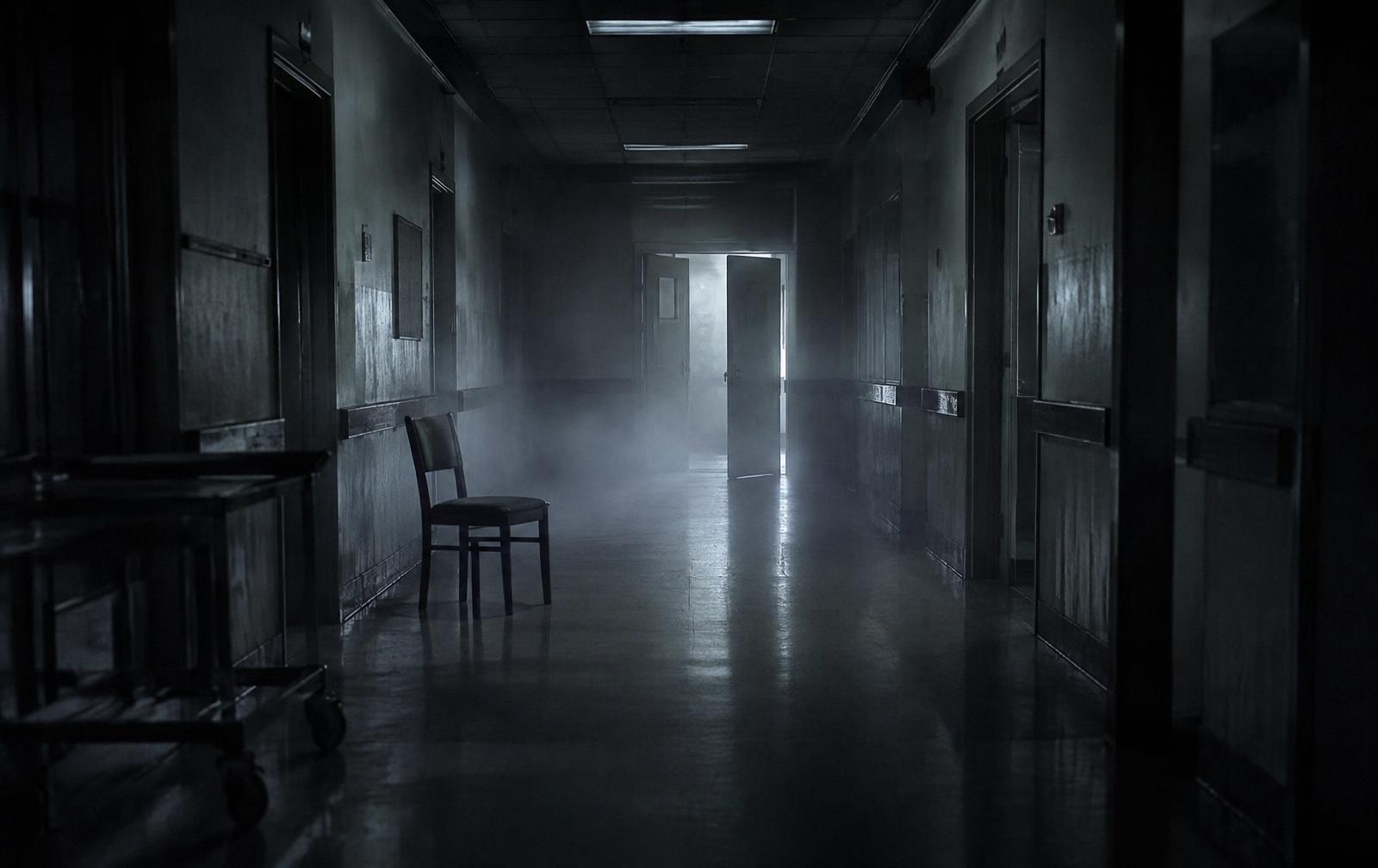
The classic account is consistent across many witnesses: a dark, human-shaped shape is seen briefly — in a doorway, at the end of a corridor, standing in the corner of a dim room — and is gone the moment the eye moves to it. Many witnesses describe a strong feeling that the figure was watching them.
Peripheral vision sees the world in far less detail and colour than central vision, and the brain fills in the gaps. In low light a coat on a hook, a shadow cast by headlights or a half-glimpsed shape can become a person, and the shock of turning makes it disappear. These ordinary perceptual facts account for much of the reported pattern.
Sleep paralysis and the sensed presence
Sleep paralysis is a recognised sleep phenomenon in which a person, waking or falling asleep, is briefly unable to move and often experiences an intense sense of a nearby presence, sometimes with vivid shapes or figures in the room. It can feel entirely real and deeply frightening, and it occurs across cultures and centuries — the folklore of many countries describes exactly this experience in its own terms.
Recurring distressing sleep experiences are best discussed with a qualified health professional. Sleep researchers can help with sleep hygiene, and knowing the experience by name often reduces the fear of it.
What we do with these accounts
When someone reports a shadow figure, we treat the witness with respect and look for the ordinary first: light sources, reflective surfaces, the position of the witness, and the timing relative to sleep. Where the account repeats, we record conditions and, where it is welcome, help the person consider the sleep-related explanations.
We do not present these accounts as proof of a presence. The fact that a figure is seen where nothing stands does not prove a spirit; it proves that perception, expectation and darkness interact — and that the human mind builds people out of shadows.
Further reading
- — Research on sleep paralysis and the 'intruder' experience
- — Studies of peripheral vision and low-light perception
Historical summaries are provided for education. Reported experiences are not automatically presented as verified paranormal events.
More on ghosts & spirits
Cemetery Folklore →